

+86 18395326713

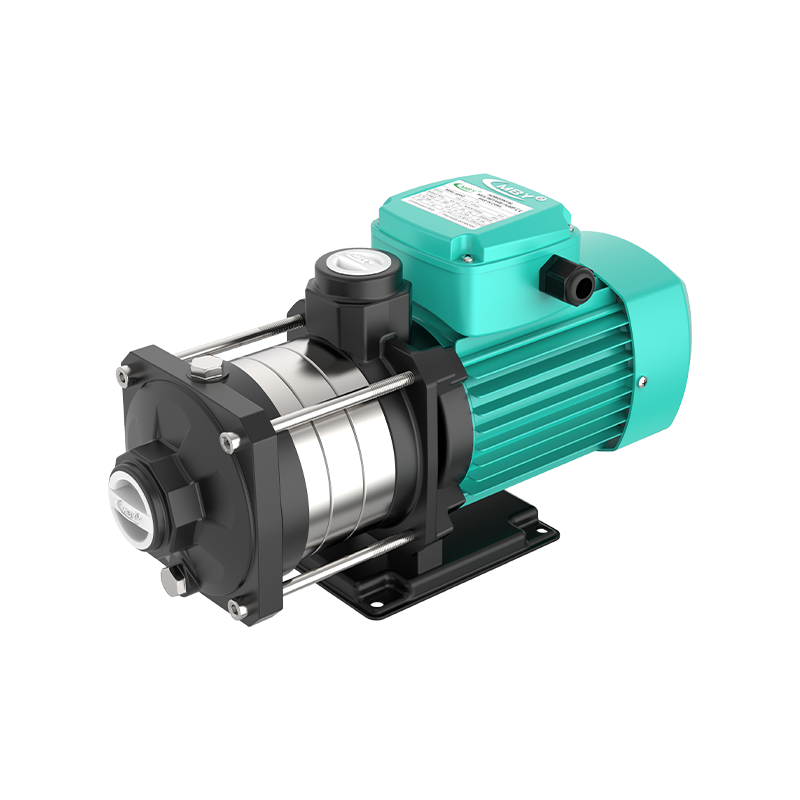
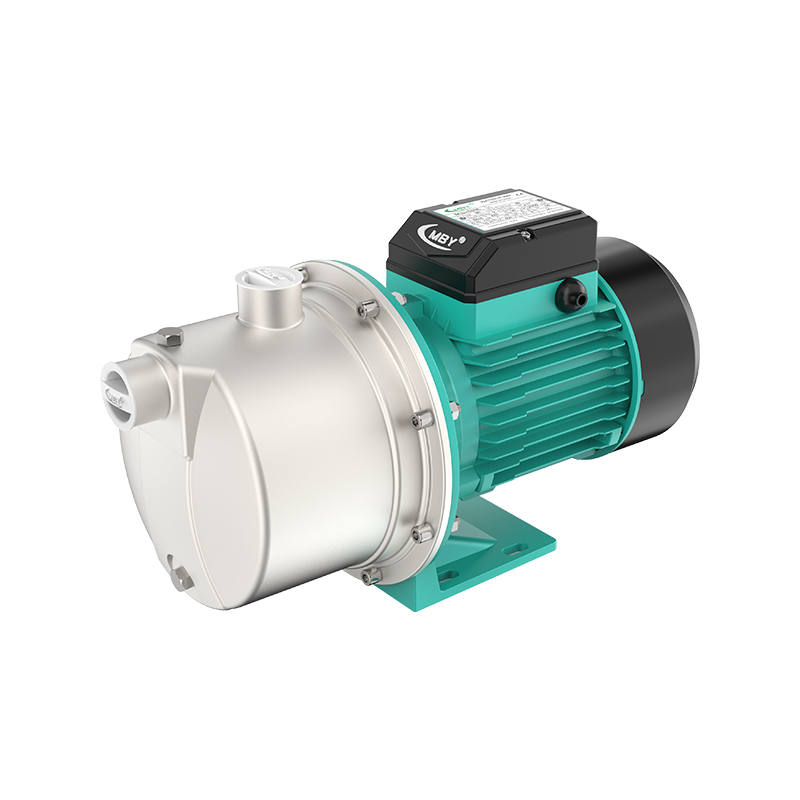
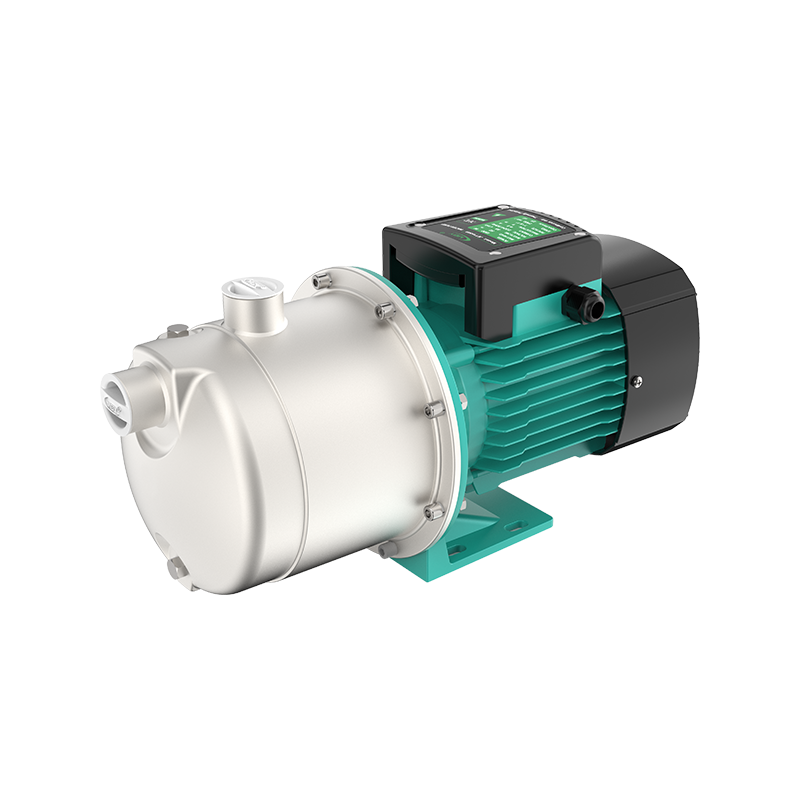
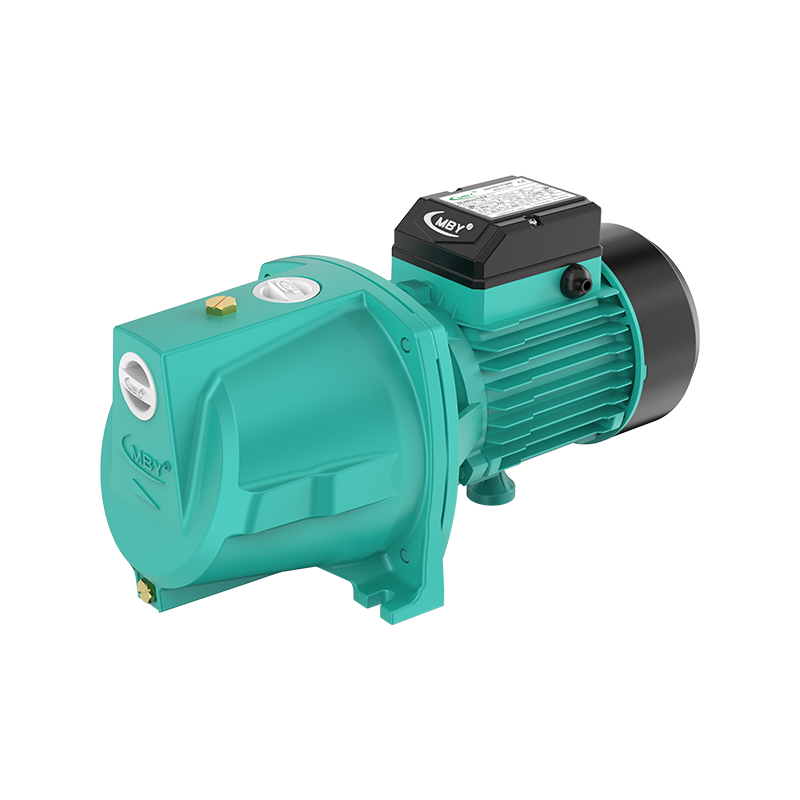
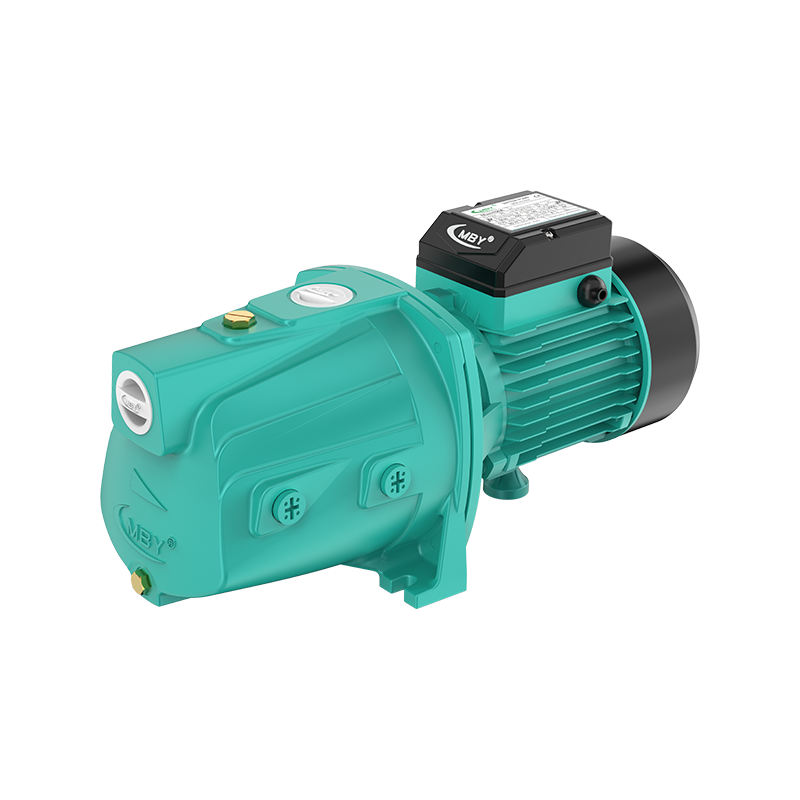
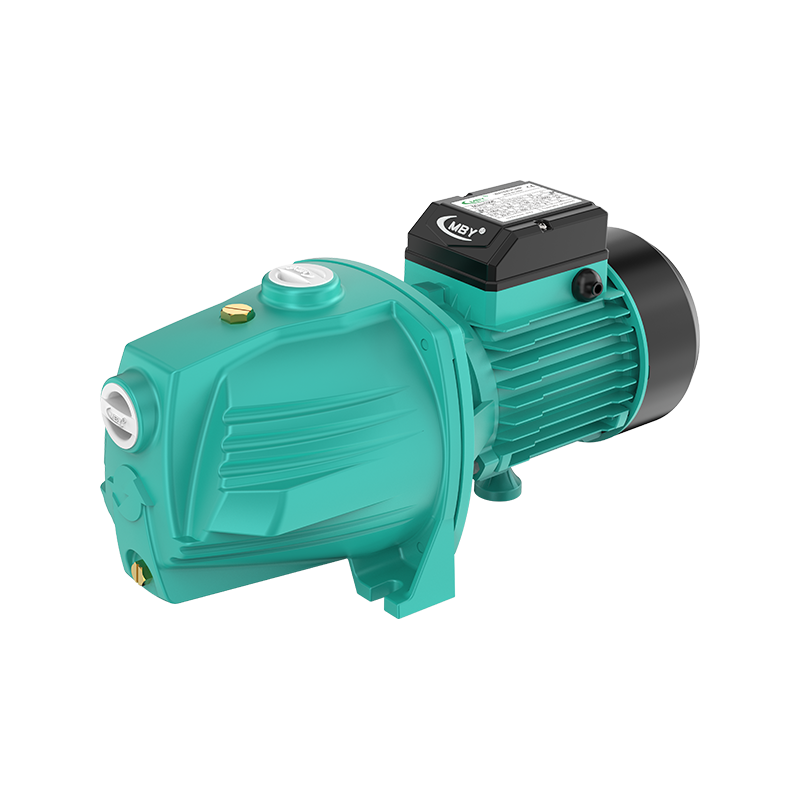
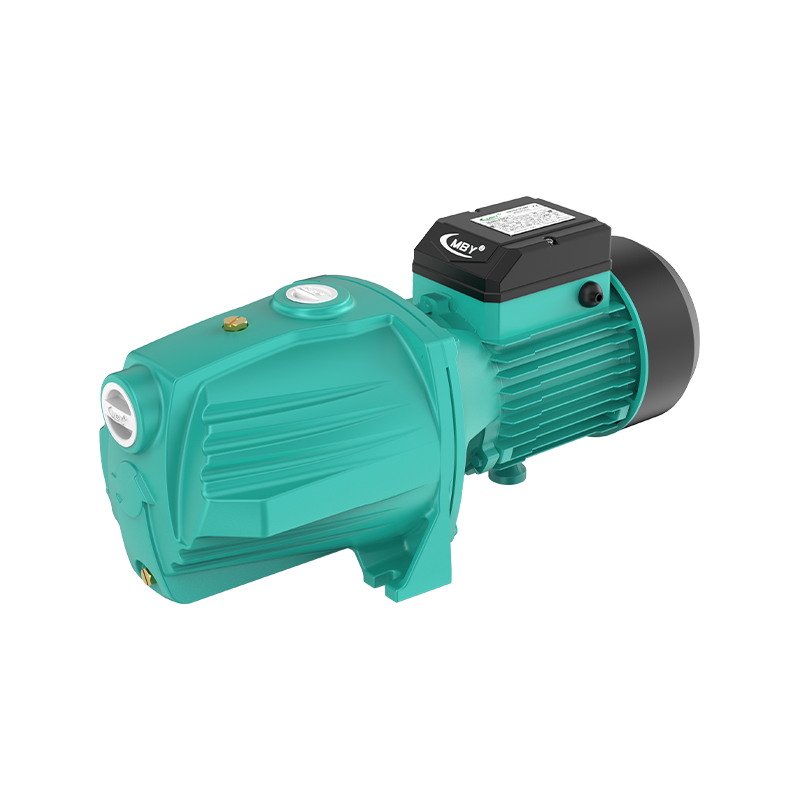
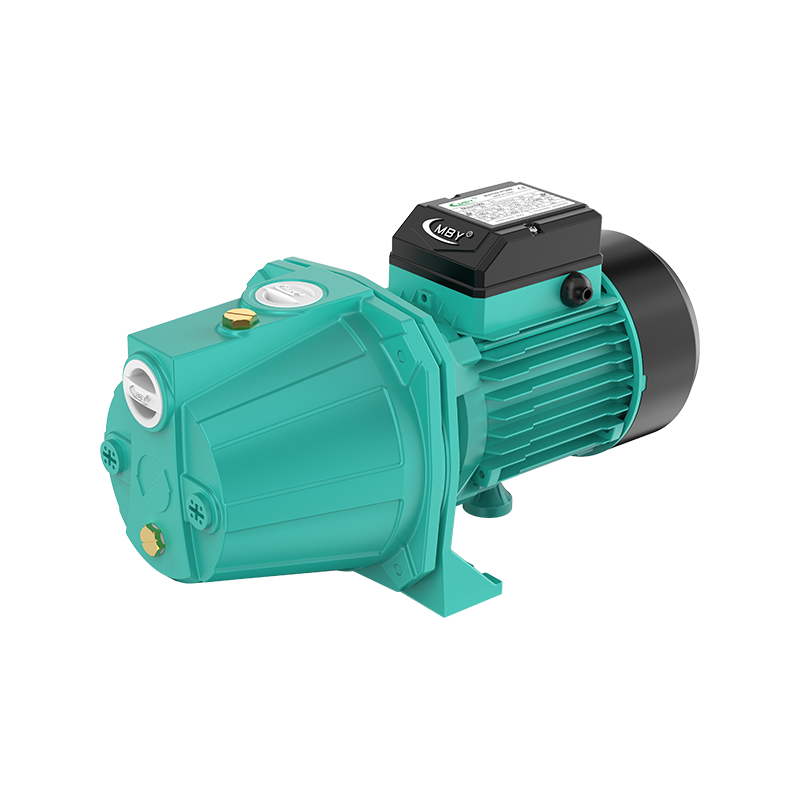
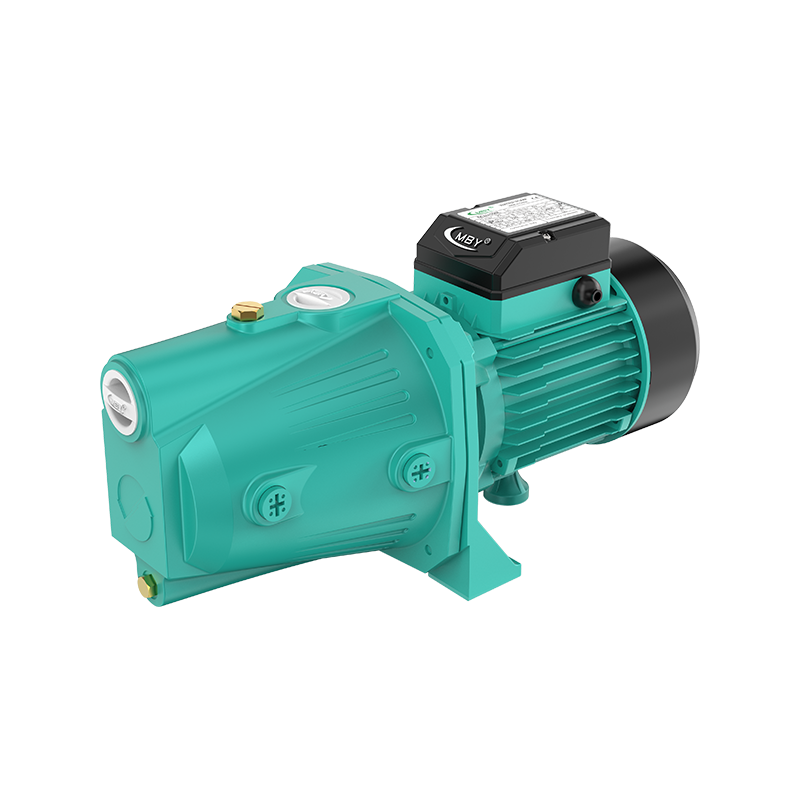
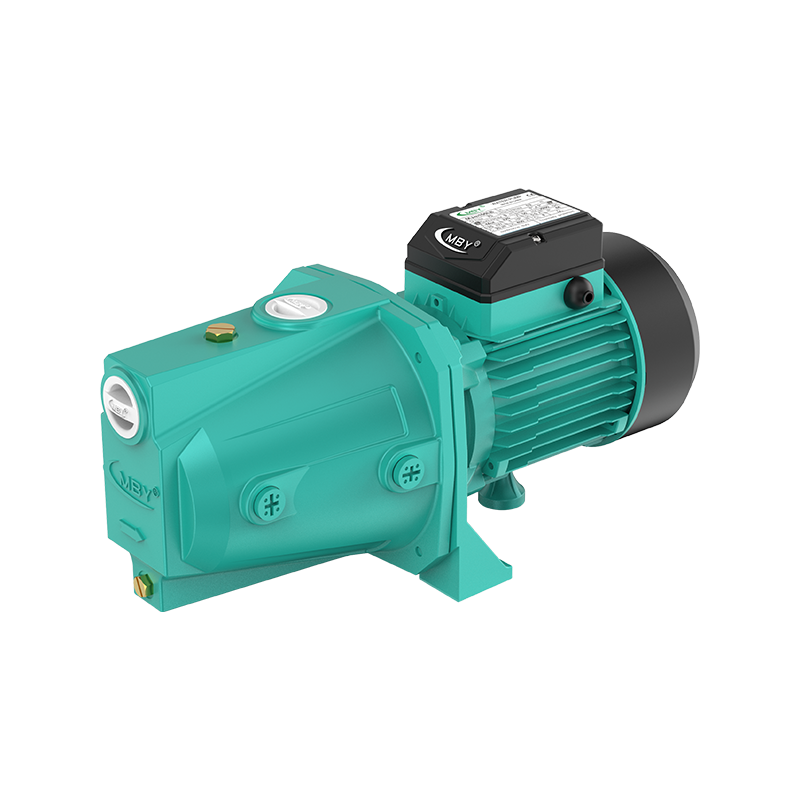
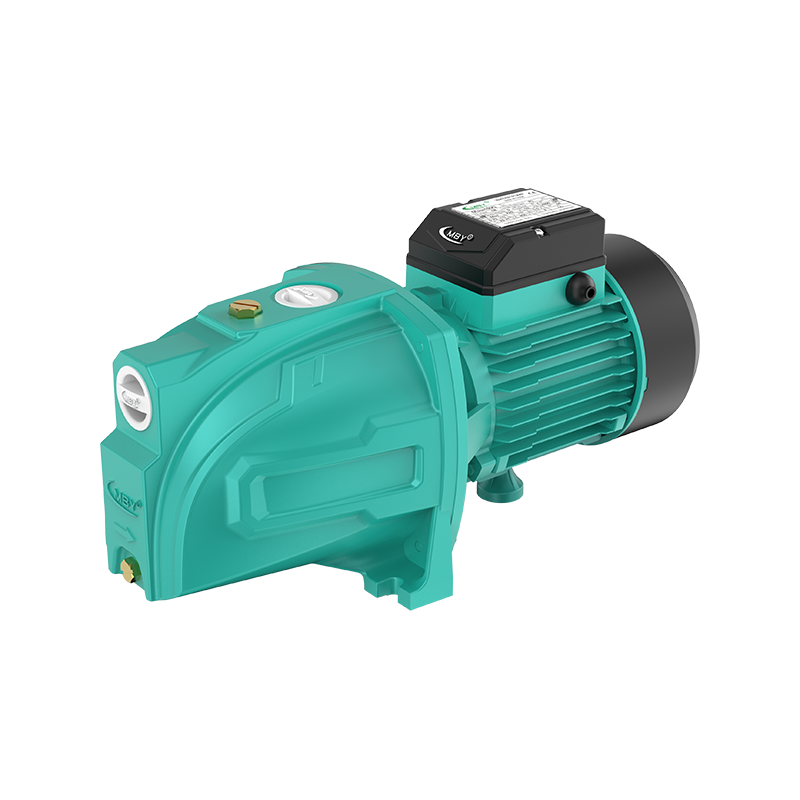
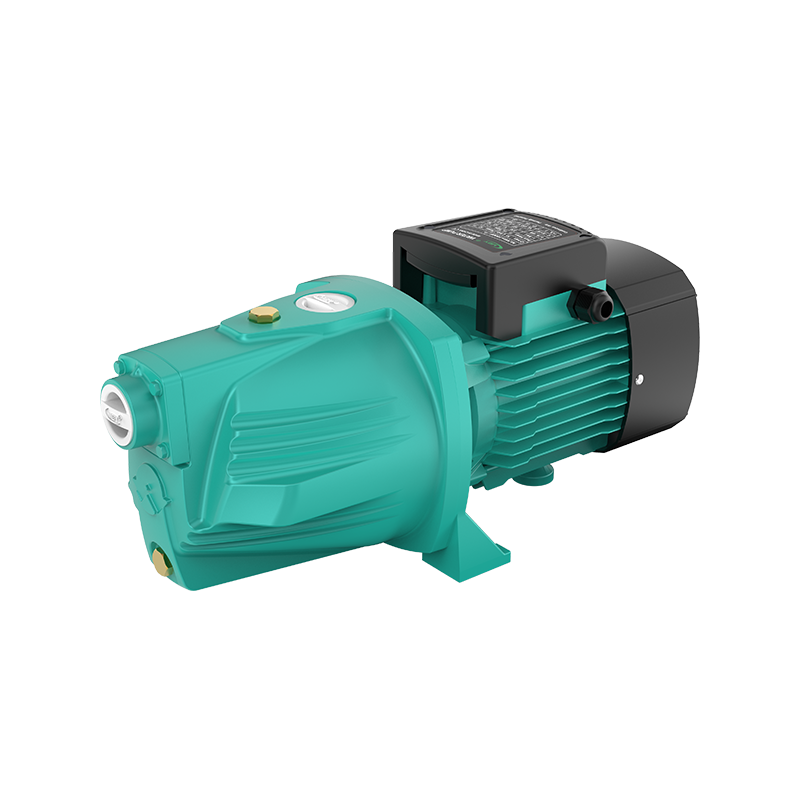
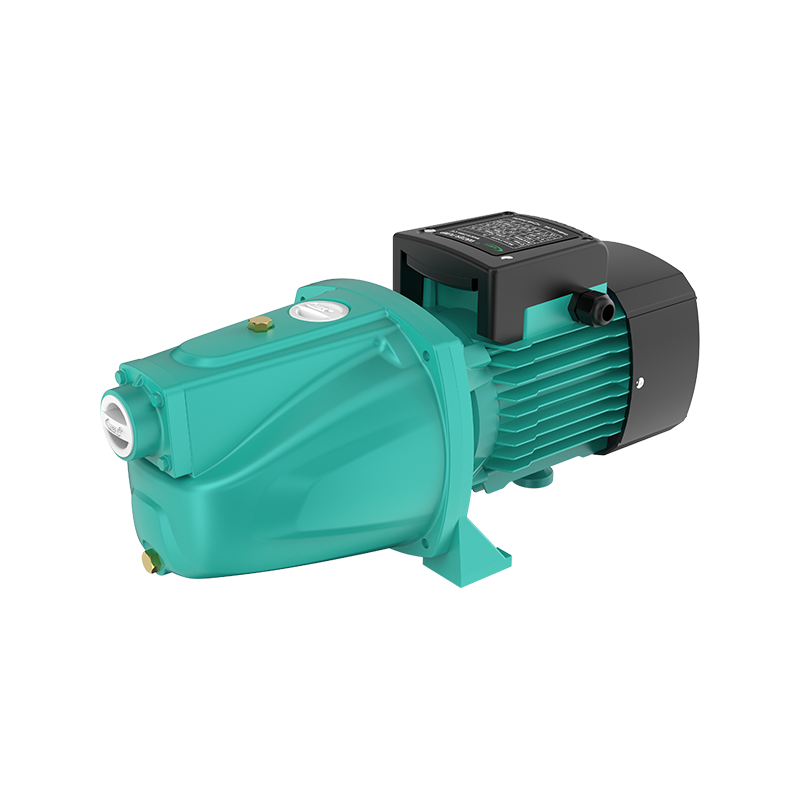
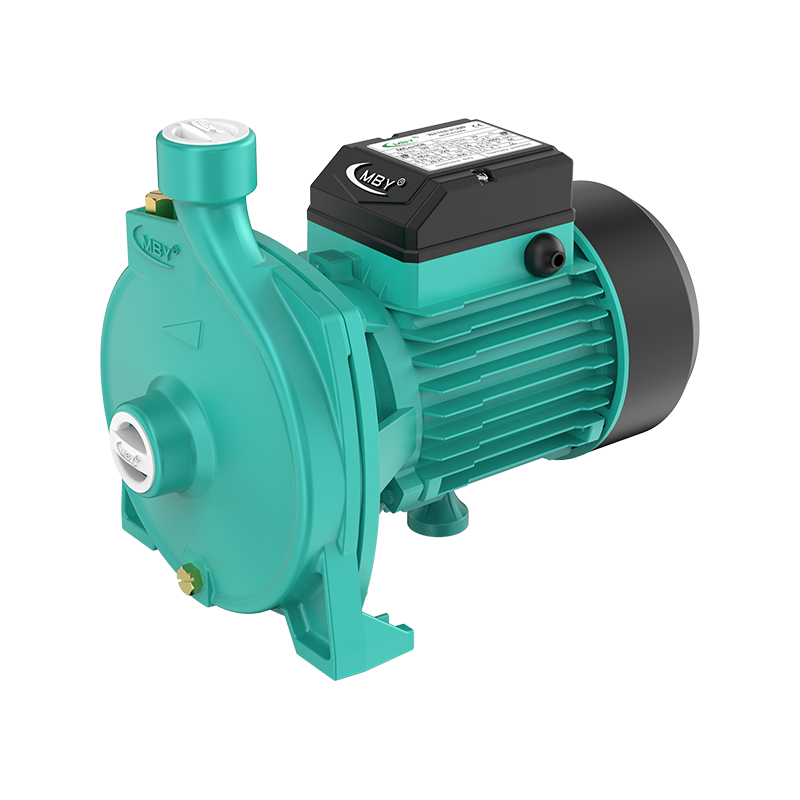
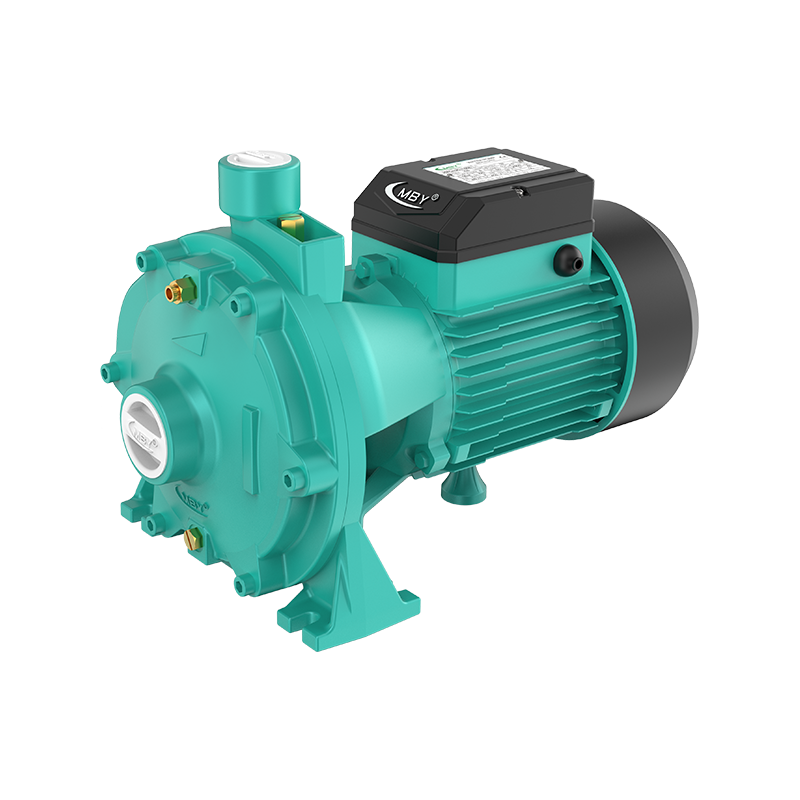
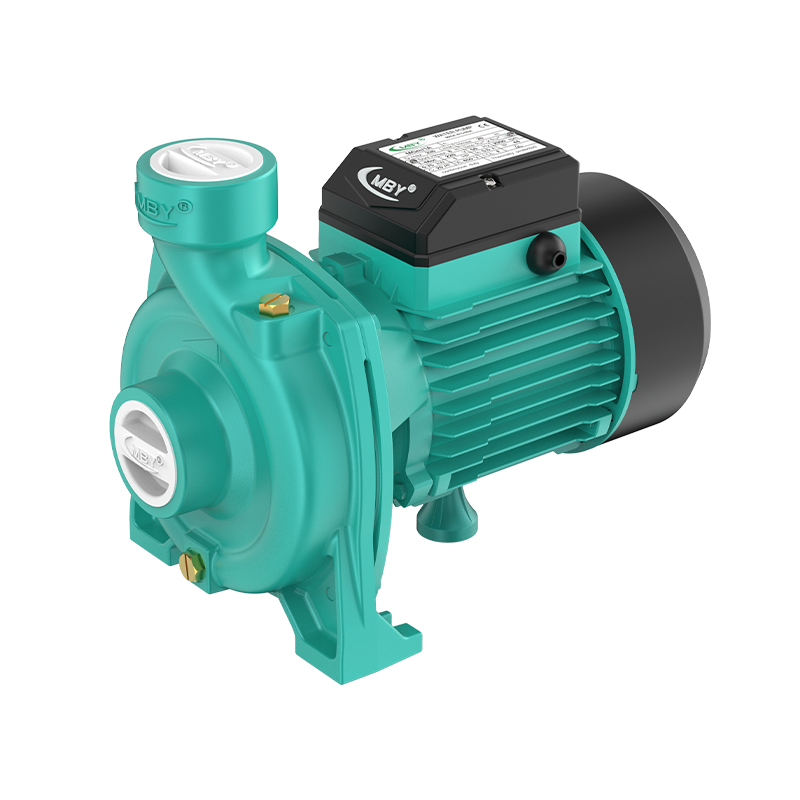
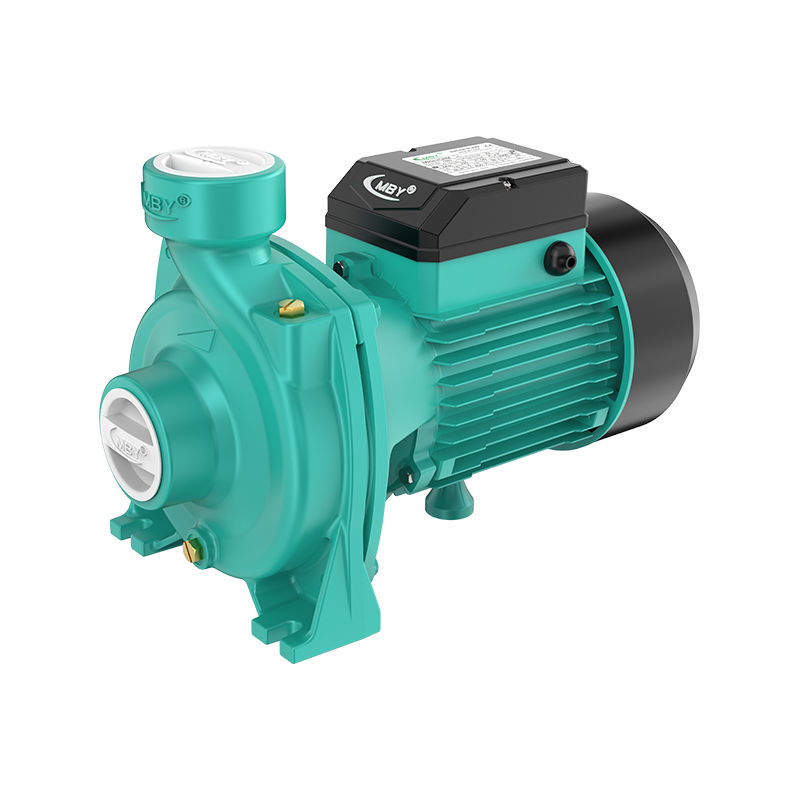
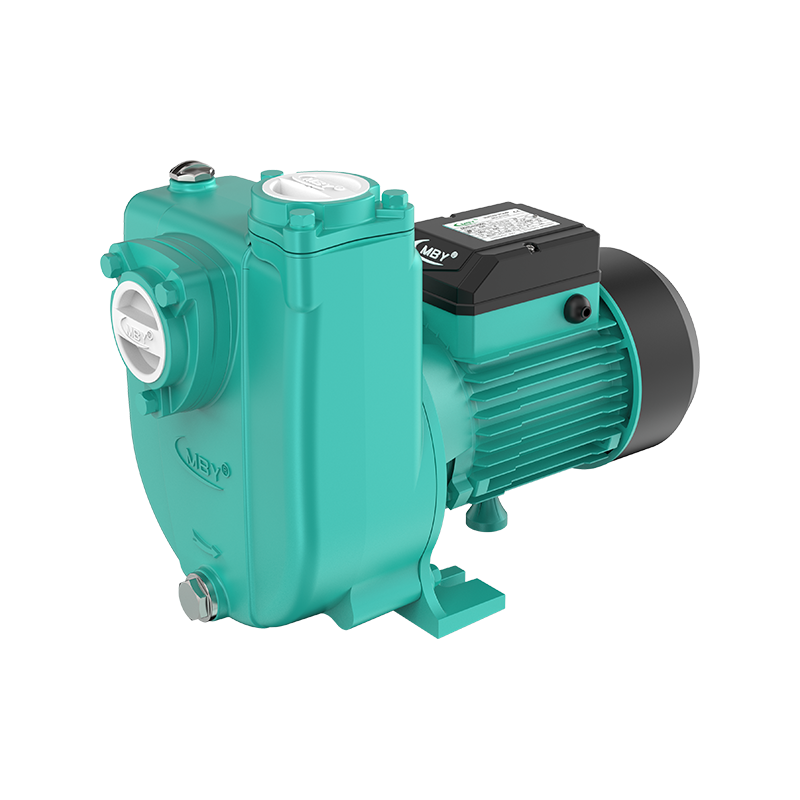
Máy bơm ly tâm tự mồi là loại máy bơm ly tâm đặc biệt có khả năng tự mồi và không cần phải đổ đầy chất lỏng trước khi khởi động như máy bơm ly tâm thông thường. Chức năng tự mồi của máy bơm này giúp vận hành thuận tiện hơn vì nó loại bỏ nhu cầu mồi máy bơm trước mỗi lần khởi động. Máy bơm ly tâm tự mồi có ưu điểm là kết cấu nhỏ gọn, vận hành dễ dàng, vận hành êm ái, dễ bảo trì, hiệu suất cao và tuổi thọ cao. Khả năng tự mồi của nó khiến việc lắp đặt van chân trong đường ống là không cần thiết, đơn giản hóa hệ thống đường ống và cải thiện điều kiện làm việc. Phạm vi ứng dụng của máy bơm ly tâm tự mồi rất rộng.
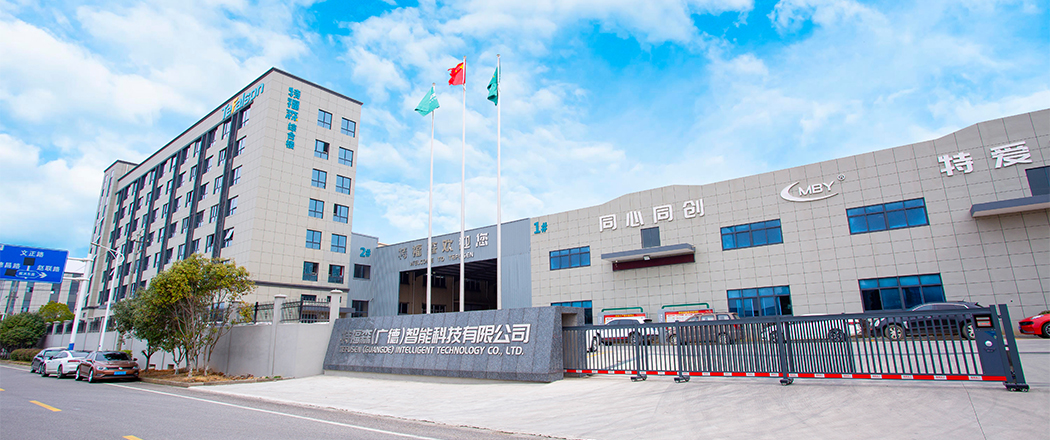
Về Tefusen
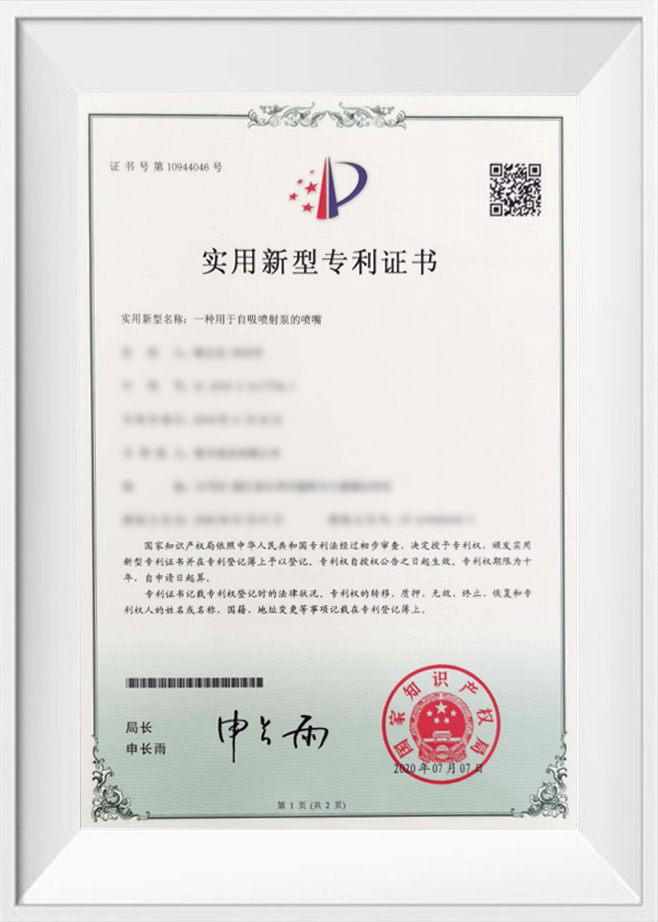
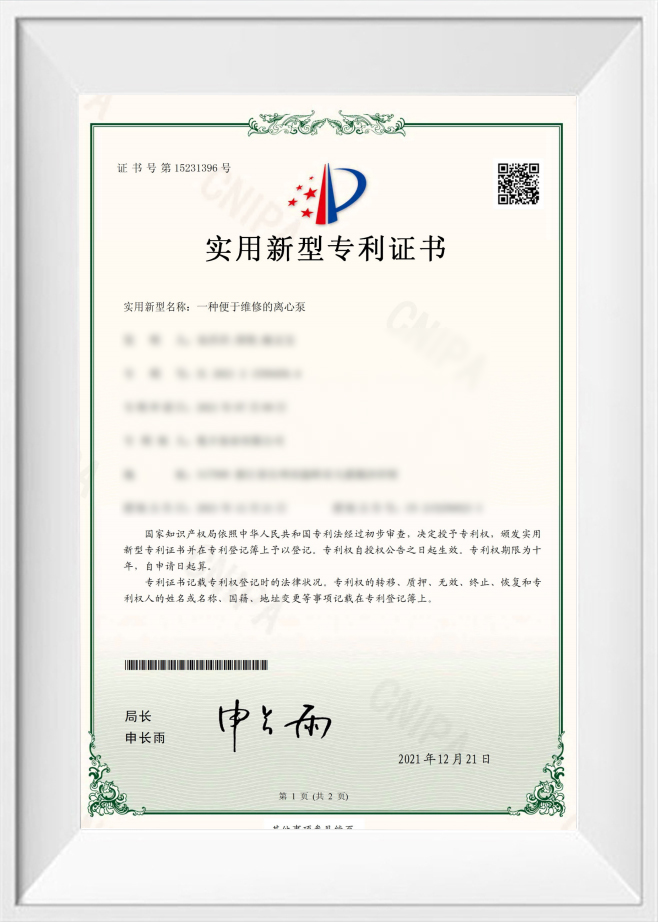
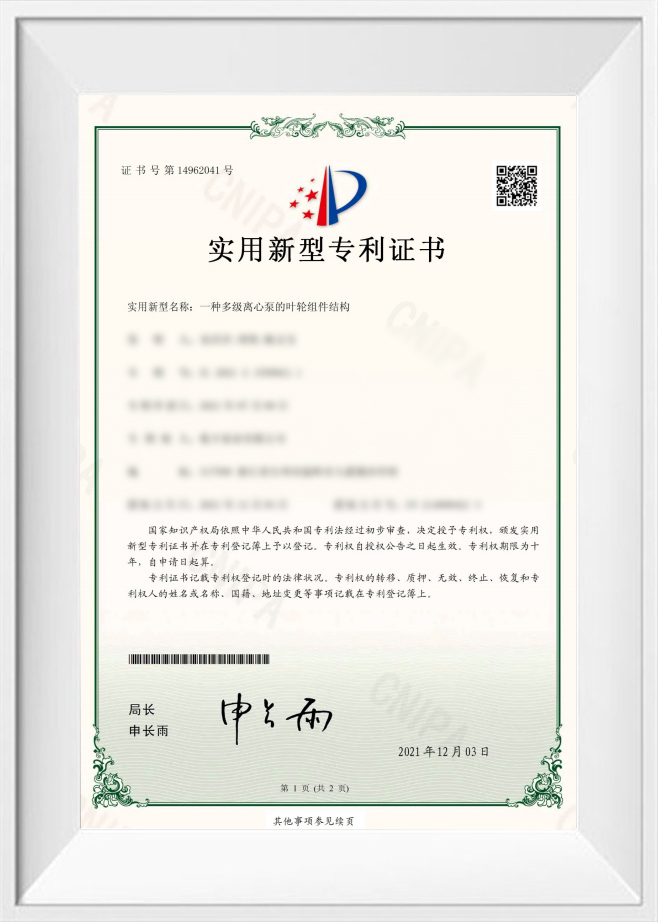
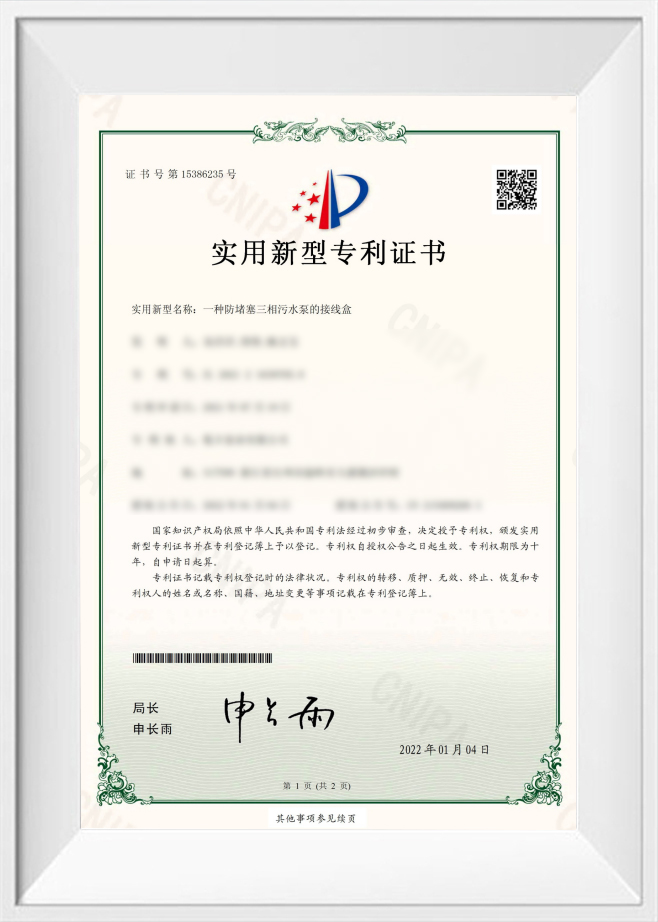
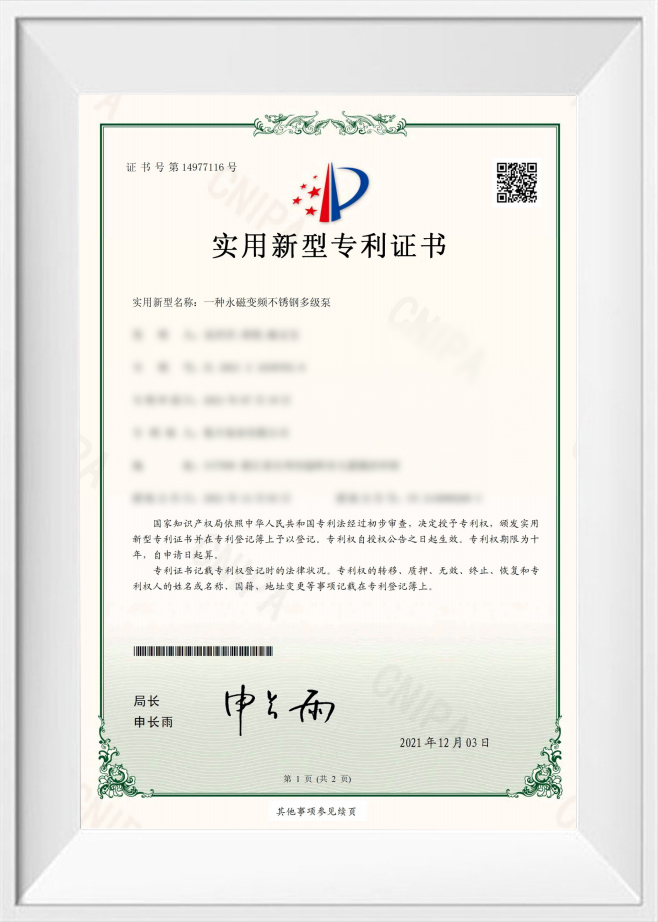
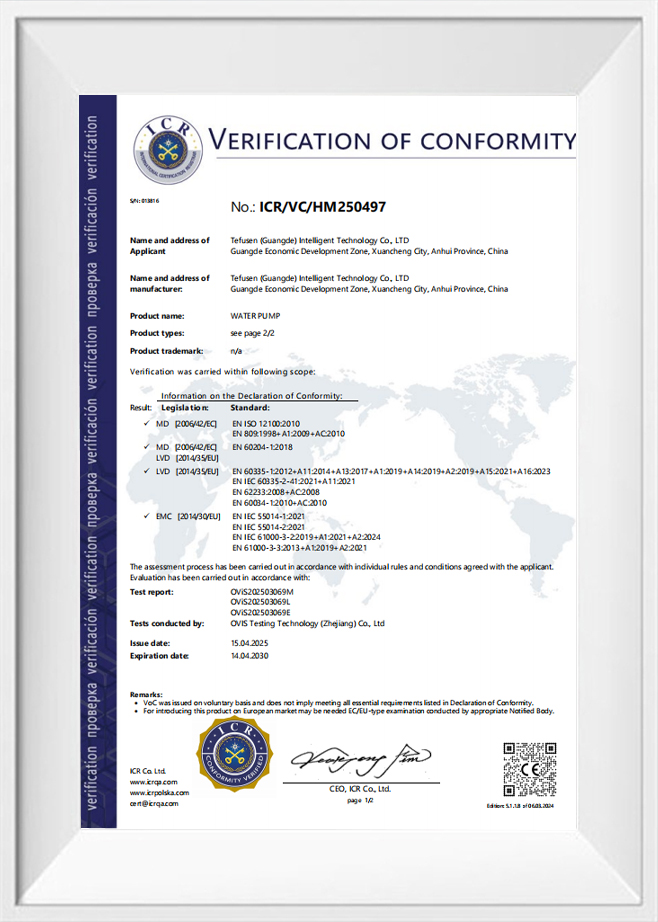
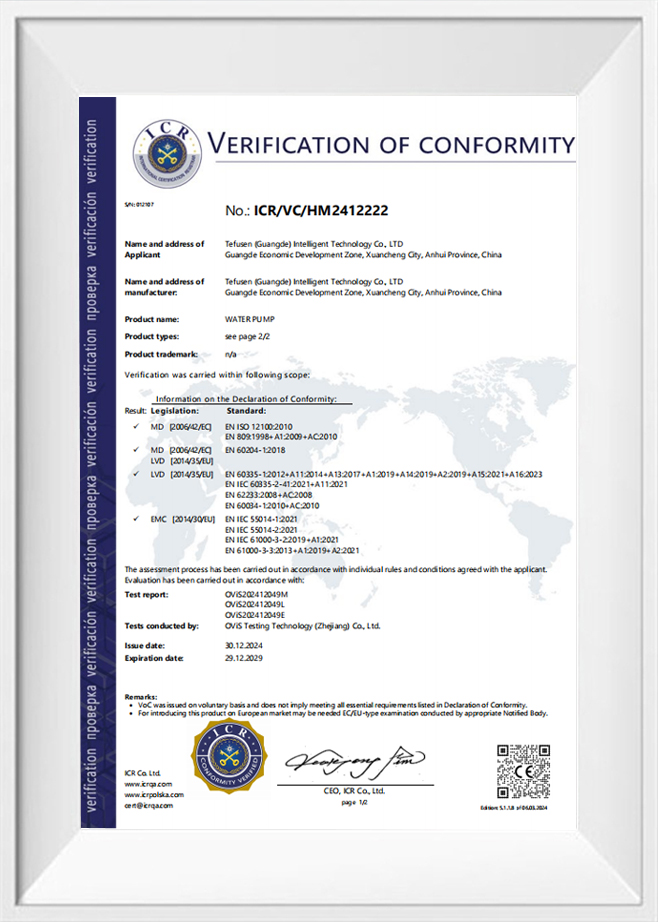
Danh dự
Tin tức mới nhất
Bơm ly tâm tự mồi Kiến thức ngành
A self-priming centrifugal pump represents a significant engineering advancement in fluid handling technology. Unlike conventional centrifugal pumps that require complete pre-filling of the pump casing and suction line with liquid before operation, self-priming models incorporate an ingenious design that enables automatic air removal and priming capability. This unique functionality stems from a carefully engineered recirculation system that separates air from the fluid through centrifugal action and gravity separation.
The priming process begins when the pump is activated with air present in the system. The rotating impeller creates a vacuum that draws the air-liquid mixture into the pump chamber. Through a combination of centrifugal force and specific volute design, the mixture is directed to a separation chamber where air rises to the top and is discharged through the outlet, while the liquid returns to the impeller to continue the priming cycle. This recursive process continues until all air is evacuated from the suction line, at which point the pump achieves full priming and begins normal operation.
The operational excellence of self-priming centrifugal pumps lies in their application of fundamental physical principles. Bernoulli’s principle explains how the impeller’s rotation creates areas of low pressure that draw fluid into the pump. The conservation of angular momentum principle governs how the rotating impeller transfers energy to the fluid, increasing its pressure and velocity. The air-water separation process leverages density differences and centrifugal forces, where the heavier liquid particles move outward while the lighter air bubbles migrate toward the center and are expelled.
The efficiency of this separation process depends on several factors, including impeller design, rotational speed, and the geometry of the separation chamber. Modern computational fluid dynamics (CFD) simulations have enabled engineers to optimize these parameters, resulting in pumps that can achieve priming in significantly less time while handling higher air-to-liquid ratios. The typical self-priming height for these pumps ranges from 6 to 8 meters, depending on atmospheric pressure and fluid properties.
Self-priming centrifugal pumps offer numerous technical advantages that make them preferable for various applications. Their most notable benefit is the elimination of manual priming, which reduces operational downtime and eliminates the need for additional priming equipment. These pumps typically feature higher suction lift capabilities compared to standard centrifugal pumps, with some models achieving suction lifts up to 9 meters.
The mechanical design incorporates several innovative features including reinforced bearing systems for improved axial and radial load handling, specially designed impellers that minimize clogging, and wear-resistant materials in critical components. Modern versions often include built-in check valves that prevent backflow and maintain prime during shutdown periods. The pumps demonstrate exceptional versatility in handling various fluids including water, chemicals, slurries, and viscous liquids with solid content up to 25% in some specialized models.
Energy efficiency represents another significant advantage, with many self-priming models achieving efficiency ratings of 75-85% at their best efficiency point (BEP). This high efficiency translates to lower operational costs and reduced energy consumption, making them environmentally friendly alternatives to traditional pumping solutions.
The application spectrum of self-priming centrifugal pumps spans numerous industries due to their adaptability and reliability. In agricultural irrigation systems, these pumps efficiently handle water transfer from rivers, lakes, and storage ponds, often dealing with variable water levels and air intrusion. Municipal water treatment facilities employ them for raw water intake, chemical dosing, and wastewater transfer applications where air handling capability is crucial.
Construction and mining industries utilize these pumps for dewatering operations in excavations, tunnels, and mining pits where water levels fluctuate and air entrainment is common. Industrial processing plants benefit from their ability to handle process water, coolant fluids, and chemical transfer while maintaining operational reliability. Marine applications include ballast water transfer, bilge pumping, and firefighting systems where reliable operation is critical for safety.
The oil and gas industry employs specialized self-priming pumps for transfer of fuels, hydrocarbons, and wastewater treatment. Their ability to handle volatile fluids with vapor recovery makes them particularly valuable in these sensitive applications. Additionally, these pumps find use in emergency and disaster relief operations where quick deployment and reliable performance under challenging conditions are essential.
The evolution of self-priming centrifugal pump technology continues with several noteworthy innovations. Smart monitoring systems incorporating IoT sensors now enable real-time performance tracking, predictive maintenance, and remote operation capabilities. These systems monitor parameters such as vibration patterns, temperature gradients, and performance metrics, alerting operators to potential issues before they cause downtime.
Material science advancements have introduced new composite materials and coatings that enhance corrosion resistance and wear protection. Ceramic coatings, polymer composites, and specialized stainless steel alloys extend pump life in aggressive fluid applications. Design improvements include optimized hydraulics for reduced energy consumption, enhanced air-handling capabilities, and improved dry-run protection features.
The integration of variable frequency drives (VFDs) has revolutionized pump control, allowing for precise flow and pressure regulation while optimizing energy usage. Future developments focus on achieving complete energy recovery systems, further reducing the environmental impact of pumping operations. Research in magnetic drive technology and seal-less designs promises to eliminate leakage issues and reduce maintenance requirements.
Proper maintenance is crucial for ensuring optimal performance and longevity of self-priming centrifugal pumps. Regular inspection should include checking impeller clearance, bearing condition, and mechanical seal integrity. The separation chamber requires periodic cleaning to maintain efficient air-water separation, particularly when handling fluids containing suspended solids.
Operational best practices include ensuring adequate NPSH (Net Positive Suction Head) availability, maintaining proper alignment, and monitoring for unusual vibrations or noises. The priming time should be regularly checked as increased priming duration often indicates wear or blockage in the system. Lubrication schedules must be strictly followed, with special attention to bearing housing and mechanical seal lubrication.
Troubleshooting common issues involves checking for air leaks in the suction line, verifying impeller condition, and ensuring the check valve is functioning properly. Modern pumps often include diagnostic ports for performance testing and condition monitoring, enabling proactive maintenance planning and reducing unexpected failures.
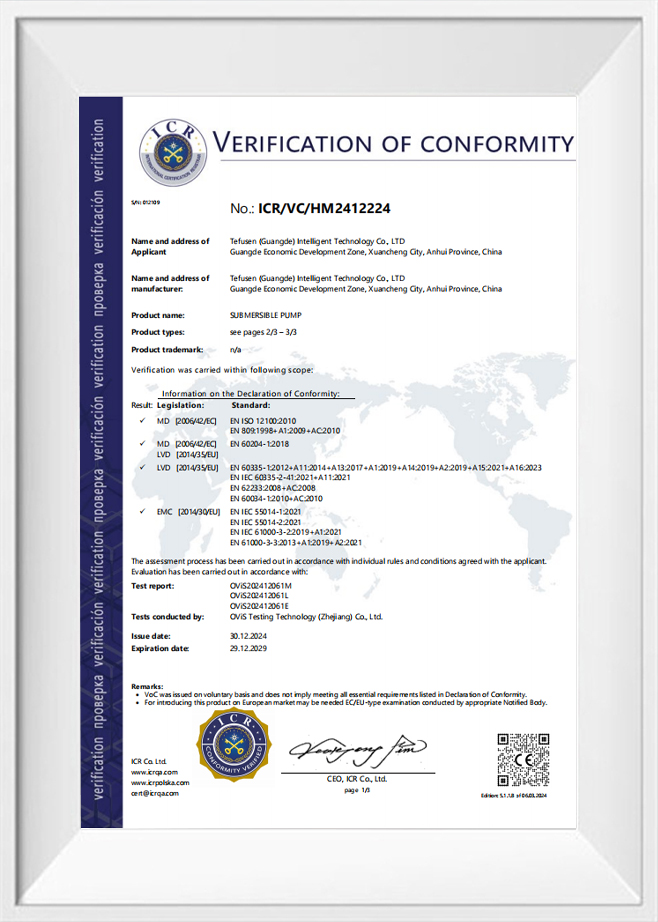
The advancement of self-priming centrifugal pump technology relies on continuous research and development efforts by specialized engineering companies. These organizations contribute significantly to improving pump efficiency, reliability, and application range through innovative design approaches and material science advancements. Tefusen (Guangde) Intelligent Technology Co., Ltd. has established itself as a notable participant in this field, focusing on developing intelligent pumping solutions that incorporate modern control systems and energy-efficient designs. The company’s research efforts have contributed to enhancing the performance characteristics of self-priming pumps, particularly in handling challenging fluid transfer applications across various industrial sectors.
Modern self-priming centrifugal pumps are designed with environmental sustainability in mind. Their energy-efficient operation reduces carbon footprint while advanced sealing technology minimizes fluid leakage and environmental contamination. The extended service life and reduced maintenance requirements contribute to lower resource consumption over the pump’s lifecycle.
Many manufacturers now employ eco-friendly production processes and recyclable materials in pump construction. The development of pumps capable of handling environmentally sensitive fluids without leakage represents a significant step forward in industrial environmental protection. Additionally, the ability of these pumps to handle variable flow conditions enables better system optimization and energy conservation.
Self-priming centrifugal pumps have revolutionized fluid handling across multiple industries by combining operational reliability with exceptional versatility. Their unique ability to handle air-liquid mixtures without manual intervention makes them indispensable in applications where operational efficiency and reliability are paramount. As technology continues to advance, these pumps are evolving toward smarter, more efficient, and more environmentally friendly solutions.
The integration of digital monitoring systems, advanced materials, and optimized hydraulic designs ensures that self-priming centrifugal pumps will remain at the forefront of fluid handling technology. Their continued development promises even greater efficiency, reliability, and application flexibility, solidifying their position as essential components in modern industrial and commercial operations. The ongoing innovation in this field demonstrates the engineering community’s commitment to meeting evolving industrial needs while addressing environmental concerns and sustainability requirements.
Liên hệ
Địa chỉ 1:
Số 4 Đường Đào Viên, Thị trấn Đào Châu, Thành phố Quảng Đức, Thành phố Tuyên Thành, Tỉnh An Huy, Trung Quốc
Địa chỉ 2:
Thị trấn Daxi, thành phố Ôn Lĩnh, thành phố Thái Châu, tỉnh Chiết Giang, Trung Quốc Thị trấn sản xuất thông minh công nghiệp máy bơm